Turnstile

I need a break.

To do something that feels like growing.

Creating something.

Writing is often better than talking. At least for me. I can talk to myself through others there. The characters that come out from the fog. They have something to say.

Day in and day out I talk to walls. Stiff apparitions asking for liquid amongst the plaster in their mouths. The cement builds up. What nourishment is there! Where the water only soothes the symptom.

The shallows have provoked a destructive sense of vulnerability where the cat chases its tail. I fight by turning off my filter; like I’m combating monotony with daring statements of defiance.

But it’s just bad jokes,

erratic gesticulations,

and stories that were better left buried.

Mean and dark to be kicked out of where I cannot leave.

Great, I’m pleading with something that’s not there again. To be unconditionally understood. Where does the man go when dad dies?

Mouths staring back at me with their eyes.

4 am

A limit has never been an external concept for me, rather a limit is dependent upon a range of subjective factors contingent on how far I want to press the line between rationality and irrationality. Losing control reminds me of my youth, perhaps because I never had it, or I never knew what to do with it when it was on my lap. It is odd, now that I’m more or less a stable adult, how hard it is to watch some of my students lose control.

It’s remarkable how exceptional I think I am when it comes to navigating dangerous territory. This has nothing to do with my treatment of others, rather how I want to live without hands. When I was faced with a student the other day who did not want to live, and who’s silence proved their point, the blending of the rational and irrational terrified me, and I had this overwhelming feeling that I needed to take over the controls and plunge us into the deep and dark waters of timelessness. I’ve learned that forgetting time makes it easier to be. But to be handless in a submarine…

That they wanted to only talk to me fed my ego, yet left me an imposter. Who really am I to help? I, the one who has been broken and repaired so many times that my identity is plural. I, the one of many masks, both civilized and contrived. We, both the I of my self talk and the me, the listener inside.

“Do not die, I swear to you, do not die because tragedy will become a friend and you will learn how to harden. It will become old hat, but be warned, you will miss the intensity of youth.”

To be ridged like scar tissue and ask of my students to be mailable as water is a form of self-talk long gone from my internal set of tools and a concept I use to obfuscate the truth that I have no answers to make this world make sense. It is worth living long enough to realize this is a comedy.

“Do not die, live! Live, because you’re almost at the best part, the part that will split your consciousness into water and oil.”

Shake up your mind, and for better or worse, watch your heavy memories shape your actions as you stand by, powerless to subvert your unconscious behavior. The best you can do is keep your eyes open and watch them rise, to collect at the top and unify into one imperfect self who deserves to be.

Sometimes it is better to stay awake in the dead of night.

It can be like Life

Brackenridge Varsity girls’ tournament season comes to a close. The three words that come to mind to explain our progress is commitment, mindset, and patience. Most of our players don’t have a history playing club soccer so we’ve been working double time to acquire new skills to improve upon our performance from last year. It’s a tall order but the team has shown unwavering commitment to reach the next level and compete. I’ve been surprised by their ability to keep fighting, even when they’re frustrated and feel like all is lost.

It takes patience to wait for the results you want immediately, especially when your pride and reputation are perceived to be on the line. We’ve had our fair share of disappointment and growing pains the past two weeks. However, how are we to succeed if we don’t face periods of adversity? Unfortunately, getting beat has always been a part of the process of winning.

I see great signs of future success emerging on the field. I know it’s hard for our players to see, but the plan has always been to ‘click’ and show our mettle when it matters the most. I believe we’re on track to deliver when it counts and maintain our consistency on the field through the course of district competition.

It has been a true honor to be part of this process with such a fantastic group of players and coaches. Things always take longer to come together than anticipated; this is a law of living I’ve come to realize through experience. That you can achieve anything if you don’t give up is also a principle I very much hold to be true. Our time is sure to arrive.

Coaching is an important part of my life and in ways I cannot completely articulate yet. All I know is that I come home feeling like I’m doing something meaningful and that makes me feel valuable. as I’ve gotten older and comfortable with my life the urge to help others has become the most important thing in my life.

Flag Day: Using Absurdity to Gain Trust

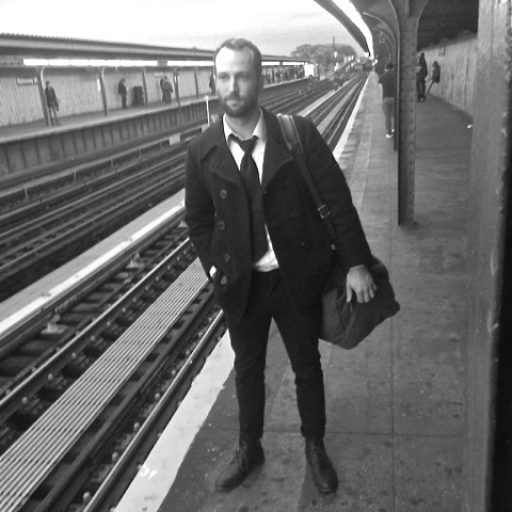
New York City, 2013. When I was a complete train wreck.

As I’m writing this my computer reminded me that tomorrow is Flag Day. I often tell my students Flag Day is my favorite holiday because it’s weird and I like seeing their reaction. When I began teaching high school seniors two years ago, I relied on being both weird and sincere rather than being authoritative and serious. I suppose I decided to do this because I am neither concerned with control or punctuating knowledge through driving home a topic’s severity. Student’s these days see too much hollow authority through their parents, and teenagers have a penchant to steer most of their situations to the dramatic and catastrophic. I’m no stranger to this. 

I was born without the ability to remain calm. My issues with anxiety are perhaps genetic, or more likely learned. They are for sure environmental and have plagued me for the better part of my existence. As a preteen, teen, and twenty-something, and a thirty-nothing I used substances, relationships, and a strange obsession with both politics and professional baseball to both mask and ironically build my anxiety into a fortress of sustained self-emulation. I can collectively describe my fascination with the above, as akin to a madman frantically betting on the ponies with other people’s money to climb out of debt. At some point, usually when I’d have an “episode”, I’d run off with the money and burn down what remained stable in my life. Robbing Peter to pay Paul is a game the desperate play when they try to outrun one stressor by suppressing that stressor with another. It’s like a psychological speed ball. When I’m high I am not anxious, when I’m hungover, I am anxious. Let the wheel keep on rolling and watch the horses run. 

Approaching 40, I realized that I can usually be funny whenever I want. I’m even funnier when I drive over myself with the funny bus. I realized by being myself I can make people laugh and I can purposely direct people to laugh at me. For example, I made a big deal about believing that my strep throat was likely cancer, and I juiced it to its full extent. Obvious to everyone else, I did not have a life threatening disease, but when I went as far as promising away my belongings to my students and coworkers, it became a sort of game. We all knew it was bullshit, but it was fun for some macabre reason. It was the absurdity of the whole thing that turned what would normally be a tragic or bizarre escapade into a collective joke shared by my students and colleagues. I even had a teacher hand me a rebate on having some local law students draw up my last will and testament. My anxiety about my health didn’t go away but turned into something else. I turned it into a punchline, a joke to ridicule and brush aside. Self-effacing humor works way better than fucking up your life by burning bridges. It took me 40 years to just be brave and let it all go. 

The Jack or all trades has commitment issues. I often use my frenetic and bi-polar resume to impress people about all the shit I’ve done in my life. Yes, I’m proud of all the risks I’ve taken, how a guy like me went from an academic and traveler, to a cheese monger, to a carpenter, to a business owner, to a volunteer fire fighter, to an author and educator. Yet, I leave out the self-harm, the self-pity, and the inability to commit to a path. I did these things because I was lost and searching for external answers to internal struggles. I did these things because I was always anxious and fearful. I ran at my fear as if I were suicidal, bravery by bailing out before I could fail. I suppose that was a poor attempt to control what cannot be controlled. Change. Therefore, fuck control. 

All this is why I teach and why I give my student’s another way to learn and be successful. It helps being a narcissist without control issues, but even more useful is not forgetting what it’s like to be a teenager. Especially a seventeen- or eighteen-year-old. In some respects, you could argue that I grew up in some areas, but not in others and I’d agree to that. You could say that I sustained a healthy amount of childhood and adult trauma, which has sustained me through life, but has kept my memory sharp, like how traumatic experiences becomes oral traditions to murders of crows who roost in golf courses, constantly under siege by stray golf balls. I don’t know why I respect teenagers as much as everyone else. I don’t know why I let them fail and then give them a chance to make it right. I don’t know why I love them. I don’t know why exactly I see myself in every student, especially the one’s wide-eyed and morose. I suppose it’s because I don’t believe in a plan. I don’t believe in being one thing. I don’t believe in perfection, and I certainly don’t believe in pushing young adults to the brink of an anxiety attack because they don’t have their shit sorted at eighteen. They’ve watch most of the adults around them struggle and the thought of growing up terrifies them. 

One of my mentors at my high school told me that she respects me because I’m battle tested. She knows I can survive. She sees that life doesn’t scare me. I’ve got the scars, but along the way I’ve freed my spirit by making them available for mockery. I make fun of myself, of my journey, of my failures and triumphs, and there in front of the class I’ve broken down the invisible wall that separates educator from student. Perhaps they trust me, because I’ve entrusted them with all my failures. I can only imagine what a relief that must be as a graduate to get some honesty. 

Happy Flag day. 

Burt and Me: The Fear of Bunny Weasel and the Harpsichord

Screen Shot 2020-07-16 at 7.46.20 AM

The anti-depressants are making me fat and I’m not even happy. They work, kind of, because I’m not sad either. I’m in an emotional fugue state, where my inner self sits slumped in a wheel chair beside the hotel window of a theme park. For now, we will call my inner self Burt Kalstrom and he’s not enjoying the view because he cannot participate.


Burt wants an adversary and a theme song, to taste his bacon and eggs in the morning, to feel appreciation and other novel emotions. He wants to feel jazz music, instead of vibing with the banal strokes of rococo court music being played on the harpsichord down the hallway by a zoomorphic shadow named Bunny Weasel.


Burt has an idea for a comic strip. Spaghetti Jim and Whirls, two cowboy hot dogs trying to evade being cooked. Their arch nemesis are the Dos Chorizos who want to poke them before tying them onto a grill. Spaghetti Jim and Whirls’ love interest is Bacon and Legs, she’s a pairs of greasy bacon strips set perpendicular on top of a pair of fishnet stocking cladded legs, garters and all. They usually see her in the desert as a mirage. At the end of each comic strip they end up getting cooked. Boiled, grilled, smoked, baked, sous vide, there are so many ways to die a hotdog death. It’s grotesque.


Burt deserves a fighting chance to be happy without the weight gain. To actually feel the sun on his face. To shut the lid on the harpsichord and tell Bunny Weasel to take a hike, but he can’t wake up. Outside, in the theme park, people are dying from plague. They are marching on the streets demanding a better park experience for all. Some are driving cars into people, and some are sitting in their yards on lawn chairs with automatic rifles and hand grenades. Some are still ignoring what’s happening and are trying to get in as many rides as they can before the sun sets. The park chair says everything is fine.


Unable to move, Burt watches and waits to feel moved by it all, for the collective comedy of human experience to bring him to tears, but he just slobbers a little. He knows if he goes off of his meds the theme park will be his, but he’ll grow bored of it and destroy it within days. At least he’ll be skinny, he thinks, but the cost-benefit analysis still doesn’t weigh in his favor. Bunny weasel has a terrible high-pitched giggle and it echoes down the hallway.


Lithium.

Myth or man: A conversation with Akira — Excerpt from The Green Turkey

6FF0174C-F3E4-4CDE-ABCE-BD6D03FFF7AA

I’m still in Arashiyama, near the bamboo forest, at a small sushi restaurant. It’s a square shop barricaded with gridded paper screens. I’m sitting at a bar and next to me is a Japanese man wearing traditional Japanese clothing, which I assume means he works in the tourist industry. He’s pushing fifty. Freckles are chained underneath his eyes. His hair is greying. He’s lean and fit, and also oddly content to not have his food yet. He’s not reading on his phone, nor checking on a social media update. He’s simply staring forward, lost in his thoughts. Then, without turning to me he says, “Ahi tuna sushi is very popular in the States, but have you tried Yellow Tail? Now that’s a treat.”

“I have once,” I say. “But I’d had too much sake beforehand to properly taste it.

“And today, too many cigarettes and Oi Ocha,” he says.

“He turns to face me and I see that he’s blind.”

“You’re right, can you smell it on me?” I say.

“As soon as the door opened and you entered. American. Smoker. Iced tea.”

“I hope it’ll not spoil your taste,” I say.

“No, but thank you.”

He remains turned towards me and seemingly hyperaware of my movements. As though, he can hear my eyes move and my facial expressions crane. He chuckles and turns back. He says something to the sushi chef in front of us and the chef looks at me briefly before continuing his work.

“I told him to not service you with the best fish because you’ve spoiled your tongue today,” he says, chuckling again.

I’m a little confused about how to receive this news, but I remain a keen participant.

“Maybe, that’s a good idea, I wouldn’t want him to waste his best product.”

Now, the blind man laughs.

“You’re not your average American,” he says. “Somewhere close to Canada, but with a Westcoast accent. Seattle, it must be. Yes, your restraint matches there as well.”

“Good guess,” I say.

His smile snaps shut and he says gruffly, “It is no guess.”

“My apologies.”

He loosens up again and smiles.

“Would you share a tokkuri of sake with me?”

“Yeah, sure.”

The tokkuri soon arrives and we clink plates.

There’s an awareness to this man that defies explanation. He’s the one who grasped the tokkuri, he’s the one who pours the sake, he’s the one who clinked his sake plate onto mine. If it wasn’t for the fact that I can see his eyes rolled back inside his head, I’d have said he was a liar. Both of our meals come at the same time and we eat.

I mash a mound of wasabi into a pool of soy sauce and separate the leaves of pickled ginger from one another.

“That’s a lot of wasabi,” he says. “You like intense tasting things.”

“I suppose so,” I say.

“People who like intense tasting things are intense thinkers.”

“My thoughts are usually quite loud, can you hear them?”

“Yes,” he says, but then looks away and continues to eat.

“I hope I didn’t offend you?” I say.

“I was sure I had offended you.”

“No, I’m just unsure of your intensions, that’s all.”

He laughs and says, “My name is Akira.”

I introduce myself and we shake hands.

“Tell me, what tragedy brings you to Japan,” he says.

“How do you know that?”

“Because your demeanor is heavy and I’ve been around it enough to know when I sense it.”

“I wouldn’t want to bother you with it,” I say.

“You’re right, I’ve been rude,” he says, “it’s just that I don’t speak to many people, especially Americans from Seattle.”

I hesitate, something’s strange about this man, but to his defense, something has been strange with me since I arrived to Japan. Perhaps it’s not a bad idea to humor him—what’s the worst that could come of it?

“My brother is dying in Nagoya,” I say. “And, my mother is dying in Seattle.”

“I’m very sorry,” he says. “Is there anything I can do?”

“If you can ease their suffering and make it quick, I’d be much obliged,” I say.

“Of course,” he says and lifts his plate to toast.

“Well, that was easy,” I joke.

“You never know who you’ll run into at a sushi bar in Kyoto,” he says, chuckling.

The sushi chef looks up at me, then to the strange blind man, and then back to his fillet of tuna.

“Do you believe if two family members are dying at the same time they can bind to each other, and one feel the pain of the other?” I ask.

“It would take strong feelings to make something like that happen, but people don’t think like that anymore,” he says. “In old times if one person was showing the symptoms of another patient and visa versa, that’s what they’d think. Why do you ask?”

“It’s nothing,” I say.

“You find yourself thinking things you’ve never thought of before,” he says.

“Perhaps,” I say.

The man brushes his hand across the thick black cane resting beside him on the bar and  smiles.

“We seek answers when there are none.”

“I’m just confused about what’s happening to me,” I say.

“Intense thinking leads to intense emotions,” he says, with his mouth full.

“Are both your mother and brother intense thinkers?”

“I’d say so.”

“Then the idea of their connection will be intensified by their legacy.”

I don’t follow?” I say.

“When you ponder one, it will match their intensity, but if you ponder both the intensity is quadrupled. It sounds like they might be working out their past with each other. You must figure this is more important than their deaths.”

“So you do believe they might be bonded?”

“They are mother and son, of course they are, this isn’t magic.”

“I know, I—”

“You must sleep more,” he says. “Things won’t be as confusing if you sleep.”

I nod feeling as though this man is reading my thoughts.

We eat some more in silence, joke around a bit, and Akira tells me of some of his favorite shrines in the city. “From the train station you must walk to Fushimi Inari-Taisha,” he says. “When you arrive you must then walk through every gate.”

“I will,” I say.

He comes in close to my face.

“I mean it,” he says. “Inari is fickle and quick to anger.”

“I understand.”

“You seem like a good person, let the shrines cleanse you.” He turns his head around as if he’s hearing something far off and trying to identify where it’s coming from. “The rest of this sake is for you,” he says. He stands up, slips on a red yukata and grabs his cane, which looks more like a katana sword’s saya, and says, “I have a tour group to lead, I need to be sharp.”

“Of course you do,” I say, “Arrigato. Thank you for the advice.”

He bows and says, “It was a blessed chance encounter.”

He leaves. When I’m finished I ask for the bill. Akira’s meal is on the ticket. The extra sake softens the blow.

Sunsets Over Troubles Immemorable

vietnam-wall-graffiti-842x452

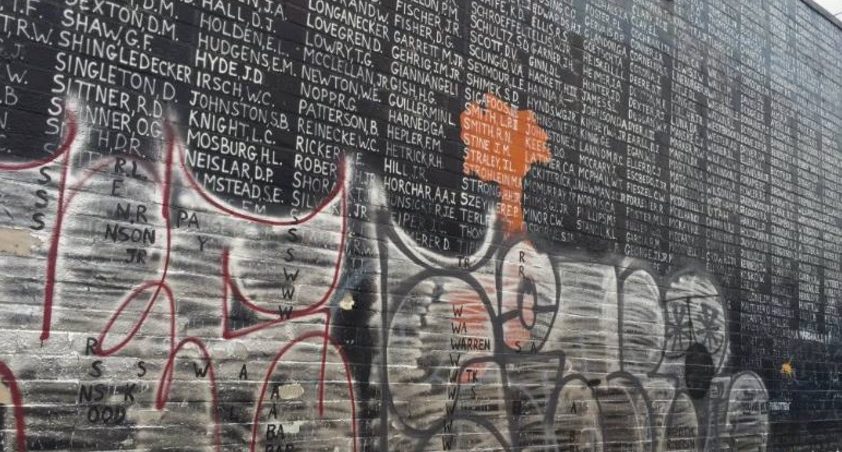
My dad’s a vet. Vietnam. He graduated high school, took off to Iowa for the corn harvest, and ran with the carnivals selling postcards and knickknacks until one day outside of Baton Rouge he got a phone call from grandma telling her only son his draft notice came in the mail. His boss, Pennant Red, said to him, “Son, get your ass back to Seattle and sign up for the Army so you can go through Basic and pick what you want to do. Otherwise, you’re good as dead.” Lucky for dad, between Pennant Red, Little Joe, and Big Cowboy and Little Cowboy, there were enough war veterans working the carnival circuit to give my father the best advice to save his neck.


For him, not going wasn’t an option. Not because he agreed with the war, but because it didn’t seem like the right thing to do. So he went to Vietnam and felt wrong about it the whole time— and when he got back was told he was wrong for being a soldier and for going. He told me he was convinced his plane home was going to crash and sweated the whole ride home. He got off the plane at Sea-Tac Airport and went to the bathroom to take a leak. The bathroom was strewn with abandoned army suits. Dad refused to take his off, not because he agreed with the war, or even because he respected the army, but because he couldn’t disrespect those other soldiers who didn’t make it home.


He waited all night for a cab, but no one would pick him up in his green suit; so he called his dad, and Grandpa picked him up.


Settling back into American life was difficult. He told me he was really interested in a girl, but she told him one evening over a beer, “I just wouldn’t have gone.” That’s what she said, “I just wouldn’t have gone.” He disappeared for a few years after that but came out the other end. We are all thankful that he did. Some in our family didn’t.


Grandma told me, my Great Uncle, Ken died during WWII in Alaska. Ken was her favorite brother. I asked my dad, when I got old enough, how Ken died. Dad said, “He was stationed on a tiny island in the Aleutian Island chain and thought the war had ended and was forgotten. He ended his life with his service weapon and was found days later.” With Grandma, painful things were always masked in understatements.


She said her younger brother was a very sensitive boy, but brave. He began to leave the farm at six-years-old to work the railroads and would come back with money for the family. I think Dad reminded her of Ken. When I asked her what she thought of dad going to war, she said, “We took a road trip back to Iowa one summer when the kids were young and your dad insisted that he always got to a campsite before sunset so that he could lay on top of the car and watch the sunset slip behind a mountain, cast its rays over a cliff, or set a cornfield on fire.” She paused and stared into her past and then qualified her story, “A boy like that isn’t meant for war,” she said. “And, that’s the thing.”


Fighting hurts us all.

I’m Not a Newt! I’m an Author.

Screen Shot 2018-11-24 at 10.43.27 AM

“Could you please put down your phone,” she asked.

“Yeah,” I said, without looking up.

“No, like right now.”

“I just need to finish this post,” I said, feeling like I was working against the clock, playing a dangerous game with my girlfriend’s patience.

She sat impatiently, looking at me like I was a cat she was about to throw across the room. All I had left was to add the hashtags. But, which ones to use? If they’re too popular you get lost in the shuffle, too small, what’s the point? Be clever, be funny, be humble; rather, be a humble-brag monster of explosive optimism and saccharine contentment. #superpositivebooklover. #blessed. Post.

Oh, for fuck sake, I’m a tool!

That’s how social media marketing often feels. Not only am I a tool, but a poor man with a gambling problem throwing coins down a well, waiting for one to jump back up. The big bite. Impossible.

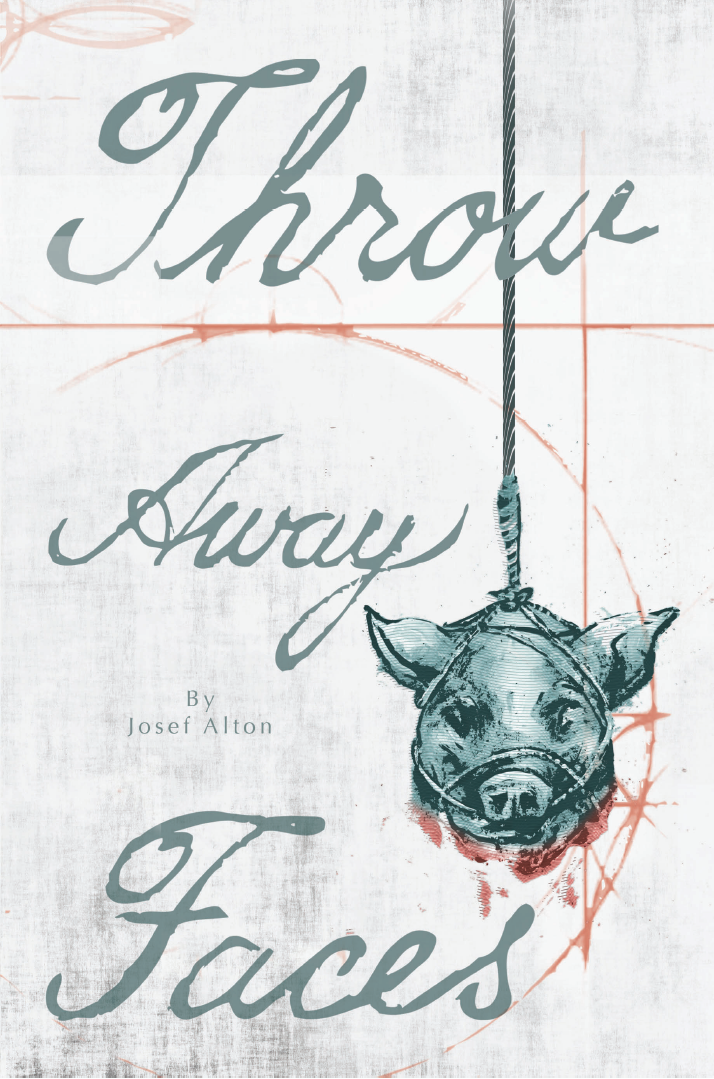
When I received an offer from a publisher to publish my historical crime novel, Throw-Away Faces, I was excited. Finally, I’ve made it! I knew next to nothing about the industry, but my publisher seemed legit enough. Beggars can’t be choosers when approaching a publisher unsolicited. I told myself this on more than one occasion. Yeah, okay.

Well, now that the book is published, all I can say is that I’ve accrued thousands of hours of rewrites and edits (good), relationships in the industry which will serve me well down the road (good), and a huge phone addiction predicated on wagering the worth of my book on the amount of “likes” it gets on Instagram or Facebook, or my author’s rank on Amazon Central (VERY VERY BAD).

What I didn’t know getting into the game is that the book market is absurdly competitive and awash with a lot of shit. It pays huge dividends to have an agent when shopping the book, and once publishers show interest, to pick one who pays their publicists to manage your marketing. This is key.

Otherwise, get ready to hate your life, and possibly your book, because you’ll be throwing countless emails, letters and time into review queries that will never be looked at by newspapers, journals, and magazines. And, money into many .com black holes. This will boil down into an ill-conceived effort, commonly called a self-marketing plan, to master nuanced and disingenuous forms of marketing communication forged to manipulate strangers into clicking a link to buy your book. It’ll never be enough. You will look in the mirror and see a Gollum.

When you’re fatigued, your publisher will offer you cooperative packages that are vague in description, but enticing. They whisper sweet nothings into your ear, “Take a load off, Joe.” “Let us do the work.” “We’ll send your book into the hands of the most talented, sexiest, and trusted reviewers in all the land.” And, can you blame yourself for giving in? No, you really can’t, but you will anyway.

The other option is spending countless hours online making virtual friendships and alliances, which is fine, and the right way to do it, but the task is a full-time job and will yank you out of the world of the living.

Don’t get me started on the writer’s block I’m currently experiencing because I now have the attention span of a newt who happened upon a horsefly turd convention.

“How was your day?” she asked.

“Fine.” It wasn’t; I didn’t sell one book. I didn’t get a word written for the sequel. I didn’t do my research. I clicked the refresh button a lot. My phone says my screen time is up from last week. I drank too much coffee. I went down the spiral.

I forgot I’m an author.

So far, this is what I’ve learned from the experience: Do what you think is right to get your book out there, but not at the expense of your creativity. At some point, you just have to let it be, write the next one and make it better than the last. You’ve made your bed for now, but you can get a new one. The worth of your work has nothing to do with a stranger’s thoughtless click of a “like” button. If it was, your time would be better spent engaging in #vanlife.

In the end, stay an artist. Stay balanced. And next time, get a publicist.

You’re not a newt.

Tigers in the Thicket

4499614778064 (1)


Screeching bottle rockets and hot ribbons from Roman candles ignited the orange night sky. He fell into me and swiped for my wallet. It was a poor attempt, frankly, a drunken attempt, and I expected it. His friends fixed their eyes on mine, worried, watching eagerly for my reaction. I was fine and he was light; I picked him up and set him down like a spilled drink. They yelled at him in Hindi—I imagined they said something like, “Dude, you’re an idiot.” However, it could have been anything. It was the early hours of the new year, at the foot of the Gateway to India, Mumbai.

I had already been in India for a fortnight, entering the country via Chennai, in the Southeast. Nearly every Western traveler that’s been to India has a story to tell about their first day, and it often sounds like a watered-down act stolen from the script of Indiana Jones: Temple of Doom. My memory of Chennai is sadly no different.

I traveled to India via Bangkok with a Kiwi. If you’ve ever traveled with a Kiwi you know that many make travel decisions as if they’re unaware that danger exists in the world. Their optimism of survival and thirst to enter spaces commonly observed to be dangerous often appears to the American traveler as an eagerness to satisfy some absurd dare. “A boundless naivety,” an Irish traveler once said to me in reference to this phenomenon (bear in mind, I never once saw him off our hostel’s sectional couch). On the flip side, the American’s self-proclaimed gift of “common sense” can easily appear as ignorant, fearful, and an utter waste of a “sweet as” overseas experience. In short, my travel partner, Joe gladly drank holy water from the hands of a Hindu priest and got sick; and I barely slept on the nights we bunked in shared hostel quarters and was usually grouchy except for when I was drunk. We balanced each other out.


Joe was nearly deported on our arrival into India. New Zealand is one of the few countries that hasn’t manufactured a terrorist, so India said Joe could sign for a travel visa upon arrival. However, the head of customs in Chennai—a short, bald man with pop bottle-lensed glasses—swore by his gold tooth that he had never heard of such a thing. We were called into his small green and blue office, and he hoisted a massive purple ledger out of his desk drawer. Taped on the wall behind him was a document titled Countries Allowed for Visa upon Arrival Thank You. Norway was crossed out with a thick black marker because of the domestic attack in Oslo the July before. New Zealand was not crossed out. I pointed out the list to Joe. He asked the customs agent to look behind him, but he refused. I couldn’t get over the blatancy of the bribe that laid in wait. Norway. Crossed out. Brilliant.

The bribe worked, but the transaction that we hoped was now closed remained a theme for the duration of the trip. We were in the country but eager to get immediately out of Chennai. In hindsight, I think it was our knee-jerk reaction to reject the cultural shift we were adjusting to. The experience in the airport and the game of bumper cars we played on the way to the train station only hardened our opinion that we needed to flee to Bangalore, as if Chennai were an island we could easily row away from. It was 1 am.

There were several hundred people sleeping on the stone floor of the Victorian-era station, so I cannot say what it looked like. However, the outer walls were constructed of red and white brick and the pillars that reached to the iron girded ceiling were thin and flaking. One painted brick per occupant, but no ticket window to be found. We ran from train to train until we found the one to Bangalore. We hopped on with no tickets. The ticket master said that we could stay on the train if we were willing to pay a penalty. We were already aware of the penalty. I spent the night looking out the train window thinking of all the tigers laying in the thicket that weren’t there. The transaction.


As the years have gone by, I’ve wondered what India was like. In my emotional memory banks tigers laid waiting in the thickets, but in actuality there were only failed attempts of connection lost amongst the weeds of meaning. The journal I kept of our journey still conjures many feelings inside me, but few memories outside the text. I’m the unreliable narrator of my own past. At times, it reads like a Victorian-era boy’s adventure novel and at others like a gothic phantasmagoria riddled with episodes of anxiety, estrangement and monsters. It also contains the popular features of an exotic Indian adventure: colorful spice markets, a straight-razor shave, performing as an extra in a Bollywood film, cow’s making cud of garbage, getting lost in a slum, chased by dogs, vehicular decapitation, and yes, bribery and endless haggling for tuk-tuk rides. All very strange. Very other. But more importantly, all elements that when reduced down to their core are based on my failure to find any greater meaning from my transactional relationships. Giving, buying, haggling and bribery did the opposite of breach the cultural divide, but harden the preconceptions that defined its walls. In the absence of such connections, I began to create an image of India and its people that I had heard and read about before—applying the clichés, constructing a universe less foreign made the cultural transition more palatable. The real penalty.

However, this is not a story about a Westerner making good on his original cultural and perceptual miscues; this is a story about real and imagined barriers and how the lines between the real and imagined get blurred when trying to make sense of things, on both ends.


Lenny, the cook and barman of the small café connected to our accommodation in Cavelossim Beach, Goa, spent Christmas getting hammered after work and slept on the faux-marble floor of the café. Joe and I were the first downstairs for breakfast and found Lenny on the floor.

“I got drunk for Christmas,” was the first thing out of his mouth.

“So did we,” Joe said. “But no worries, mate, get yourself sorted; we’ll be on the patio.”

We let Lenny pull his hair into place and reset his swollen eyes while, in the meantime, we talked about our plans after Goa. Lenny came with coffee and an apology, where we told him it wasn’t necessary.

“All I do is work,” he said.

That night, after Joe and I investigated our share of old Portuguese churches from the worn cobbled footpaths of Panaji, and met the brown waters of the Arabian Sea in the afternoon, we went back to Lenny’s. He was still there, same swollen eyes, but in a new shirt. He joined us for a cigarette after our dinner of pomfret.

“How did you like the fish?” he asked.

“It was amazing. Very delicate and rich.”

“Delicate is the right word,” he said.

He put his face into his hands and sighed.

“I’m so tired,” he said. “I’m sorry about this morning. I haven’t been to mass in six years, and I went last night and then couldn’t stop drinking.”

“I know the feeling,” I said.

I learned that most from the area are Catholic. I learned that there are still Portuguese held up in their private plantations. I learned that Lenny had a daughter two hours north of us who he didn’t get to see on Christmas. I learned that my good time, at least partially, was at Lenny’s expense.

We make choices based on the limitations of our circumstances, and Lenny’s hangover was not my fault, but I couldn’t help but feel involved. I paid next to nothing for an amazing meal. Lenny got a fraction of it and spent the holiday with us instead of his daughter. The idea of her seemed to keep him going and that at least was something no one could take from him. Even if, everything else was fair game.


In Jodhpur, the goats wore pajamas and many young Western tourists wore some article of Indian textile to blend in. We went to the market to buy supplies. We were no longer in the South, and the nights were cold. I found a scarf I liked and prepared myself for the purchase war. I had one hundred Rupee in one pocket and two hundred in the other. It was all part of the game. I asked about the scarf and the merchant tried to tie it around my neck. I said, “No, how much?” and he gave me an inflated price. From there we flashed looks, strange smiles, counter offers and re-counter offers. It can be fun or ugly, depending. I enjoyed it; I felt like I was connecting with the culture. But haggling is a dialogue of financial inequality, so it was really just fun for me.

I wouldn’t accept his price and tried to talk him down another 50 Rupee. A young man, running the booth next to us was with a group of other young Indians and he began to laugh at me.

“You realize, you’re refusing to pay half an American dollar,” he said.

I became defensive.

“If I let everyone take me for extra, it adds up.”

“But you get to leave,” he said.

My embarrassment quickly turned to shame and I paid the agreed amount. That was the most alone I felt in India and the last time on the trip I enjoyed haggling.

We slept in a two-story hotel at the foot of the Mehrangarh Fort. The owner was the best chess player I’ve ever lost to. She pitied me for my poor performance. She told me so and that was okay. We were on the patio. It was dusk. A loud group of young women from London sat close by. They wore shalwar kameez, and dupatta over their head, and it annoyed us.

“I hope they’re having a good time,” Joe said.

“Just subtly soaking up some culture,” I said.

“Just trying to integrate here,” he said.

We stopped ourselves and laughed—seriously, what Westerner really has the moral high ground over another Westerner when it comes to negotiating the obscure footholds up India’s cultural wall? The sun had set and the temperature dropped. I tied my Indian scarf tighter around my neck, and the girls put on their down-feathered parkas and fleece/Gortex jackets. Our hostess stared at them and then looked back at us.

“Too cold to be Indian now,” she smiled. “Time to go inside.”

I asked Joe what he thought about it.

“Just because you put on another woman’s dupatta, doesn’t mean you’ve seen what she’s seen.,” he said, being cheeky.

“And, another man’s scarf,” I said, running my hand over my own Indian artifact. We smoked cigarettes until late and listened to the dogs wage war across the blue city.


Jodhpur was the turning point. As we traveled north, news came that a winter storm had crossed over the Himalayas, and Delhi would freeze. I didn’t understand what that meant.


In Delhi, a social storm developed in tandem with the freezing temperatures and meant that everyone was cold and upset. Bus rides tripled their travel time. Indian time expanded from “Give or take a couple hours” to “Don’t plan ahead because who knows?” An icy fog consumed the Taj Mahal so we wrapped ourselves in thin wool blankets and disappeared into the smoky marble. On the frozen highway up to Delhi, we saw a man get run over and killed in front of our bus. Two days before, a girl was beaten and gang-raped on a Delhi bus and died. Riots burned there and cases of death by exposure loomed on the homepage of the BBC India news website. Delhi was frozen but on fire and we were headed straight for it. Or, this is at least the scenario I prefer to remember.

My past transactions had taught me that these were Indian issues and not mine, but I could walk as deep into them as I pleased and leave anytime. Delhi was going to provide me with a good story. That was then. Now, if I try and recall the more basic details of our stay a new set of events surface, all disappointingly mundane. In truth, the people of Delhi had a lot going on during that span, but from our vantage point, life there appeared quite ordinary. Merchants were selling and we were buying. Drivers were driving and we were riding. Restaurants were cooking and we were eating.

I’ve come to the embarrassing realization that I was disappointed that I wasn’t even given the opportunity to be rebuffed in my attempt to infiltrate the city’s woes. Rereading my journal, I believe that’s why I focused so much on the death we witnessed in my Delhi entries; to prop up the frail-bodied narrative of our Fear and Loathing-esque stay in Delhi, which was utter fantasy. Life was ordinary. We walked the streets—like visible ghosts—not participating, not shying away, just not knowing the city well enough to seek out it’s darkest recesses—the tigers in the thicket. There were many transactions and exchanges of currency, but no stories to steal to make up for the bribe in Chennai.


We arrived into Amritsar and to the Sri Harmandir Sahib, or the Golden Temple, the holiest Gurdwara of Sikhism. It was zero degrees when we entered and a guard with a two-foot beard and a six-foot spear walked us quietly into a dark room with eight cots and gave us a sign of respect before leaving. I was apprehensive to leave my backpack on my bed but I had to just let it go; I was honestly too tired to care about my stuff anymore. We were asked to remove our shoes and socks when we entered the inner sanctum of the temple. The pool was still. Thin leaflets of ice floated by the unrobed men bathing in the frigid holy water.

“You know, in the last 500 years,” Joe said, “this place has been destroyed and rebuilt countless times. Enemies knocked down the temple, filled the pool with trash and bodies. But it’s always rebuilt.”

There wasn’t much to say to that and neither one of us felt like talking much more so we kept walking around the fiery golden ember in the middle of the pool and listened to the music coming from the temple play on and on over the compound’s loud speakers. The marble footpath surrounding the pool was slick and cold as ice, but I let my feet go numb to match the resolve of the men in the pool. I respected them immensely.

When it was time to eat we entered a mess hall full of worshipers both eating together on the floor and waiting patiently with their plates in front of them. It’s a meal that never ends. Joe and I waited with them and we ate together in silence. At the end of our meal we walked outside and to the rear of the kitchens and saw men stirring massive cauldrons full of lentils and others turning out roti from hot earthen ovens. We washed dishes in silence next to other men washing dishes in silence. But, it wasn’t for more than one meal before we realized that the silence was mutually self-imposed and a smile or nod easily broke the divide. I didn’t find peace in Amritsar, but it came as a welcomed reprieve and readjustment at a juncture in the trip when I was losing faith in myself. When it was time to leave, I left my scarf on my cot.


In Mumbai, my body collided with a young Indian man trying to swipe my wallet. He had every right to. If I could turn India into a booby-trapped wildland of lawlessness, inequality and exotica, he surely had the right to view me as a big dollar sign and the repository of some ill-conceived plan to literally grab the wealth away from me and make it his own. It was another transaction, but instead of exchanging money, we declared our cultural misconceptions to each other. The sad part was we couldn’t surpass the language barrier to iron it out and correct our false assumptions. We just stood there and smiled at each other like it wasn’t all our fault because we were just playing our bit parts in a much larger game. It was a new year, but the same tired story persisted—the story we tell ourselves to know where we are and who we are not.

 

Snippets—On Character

Scan 1

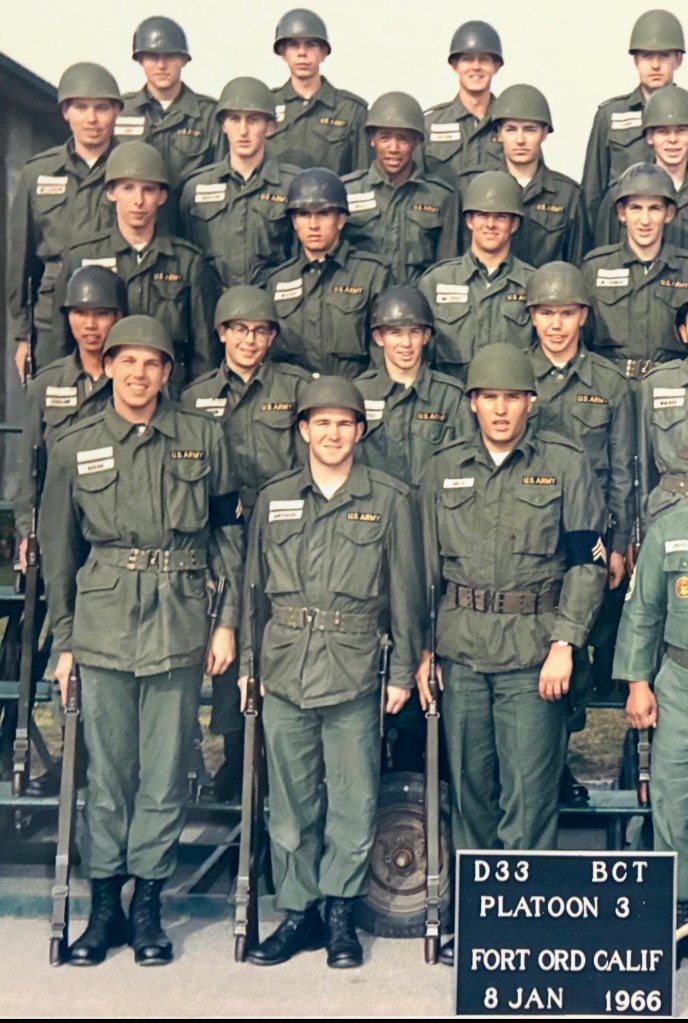
There’s this recurring character who appears in my stories. He’s not of one fixed identity; she can be another. Together, they build and destroy, damage and revive memories under a chain-linked arbor of narrative. I’ve called him Simon, her name has been Mary. They’ve both meant the same to me: an undisturbed arc of life after death.